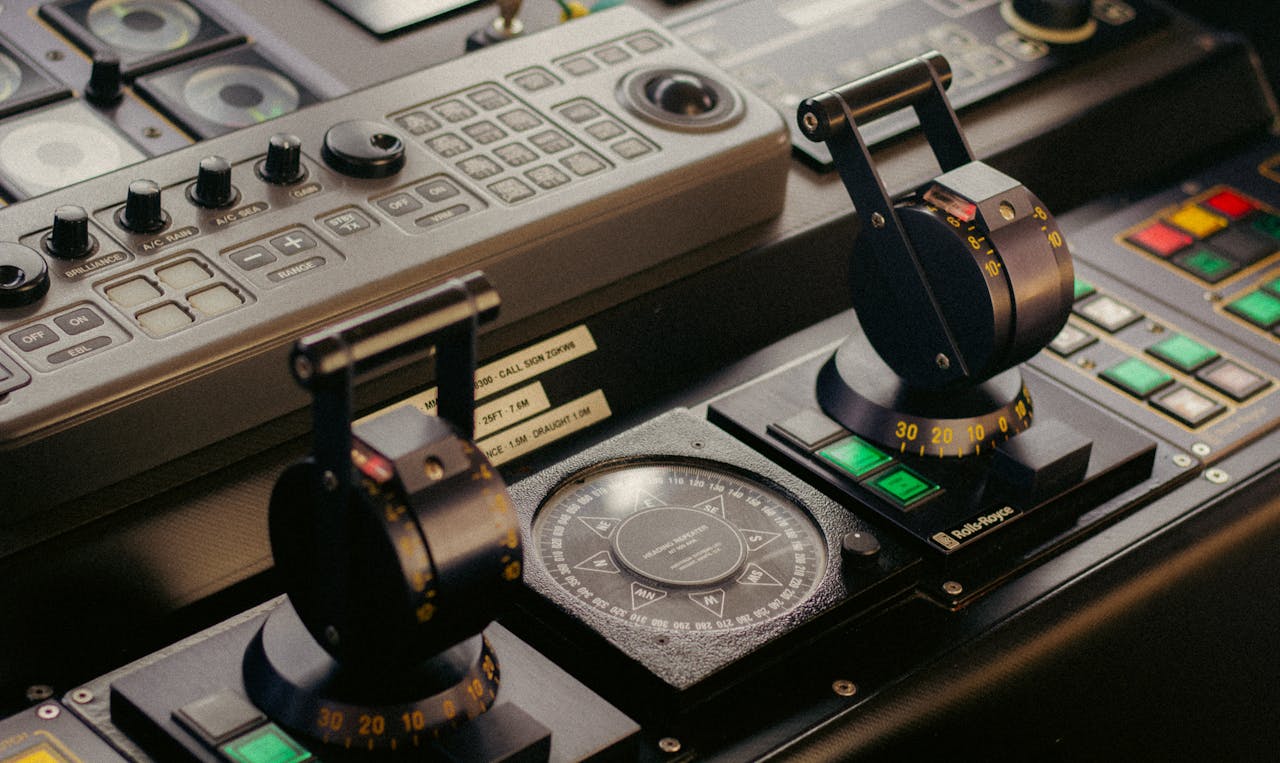
Automation is rapidly transforming the modern workplace. With advancements in robotics, artificial intelligence, and machine learning, businesses are automating repetitive tasks, leading to greater efficiency and productivity.
The Role of Automation in Business
Automation involves the use of technology to perform tasks with minimal human intervention. From manufacturing to customer service, automated systems are being deployed to streamline operations, reduce costs, and improve consistency in performance.
Benefits of Workplace Automation
One of the primary advantages of automation is increased speed and accuracy. Machines can work around the clock without fatigue, leading to higher output and fewer errors. Automation also allows employees to focus on more creative and strategic tasks, enhancing job satisfaction and innovation.
Impact on Employment
While automation improves efficiency, it also raises concerns about job displacement. Roles involving routine and manual tasks are most at risk. However, new opportunities are emerging in areas such as system management, data analysis, and tech maintenance.
Need for Skill Development
To adapt to this changing landscape, workers need to reskill and upskill. Educational institutions and employers are increasingly focusing on training programs that prepare individuals for technology-driven roles. Critical thinking, digital literacy, and adaptability are becoming essential skills in the modern workforce.
Balancing Technology and Human Value
Successful integration of automation requires balancing technology with human input. Organizations must prioritize ethical considerations, transparency, and communication when implementing automated solutions to maintain trust and morale among employees.
Conclusion
Automation is not about replacing humans but redefining the nature of work. By embracing change and investing in skill development, both businesses and workers can thrive in an increasingly automated world.
Leave a Reply