Category: Technology

  • The Evolution of Mobile Apps: From Utility to Everyday Necessity

    The Evolution of Mobile Apps: From Utility to Everyday Necessity

    Mobile applications have rapidly evolved from simple tools into essential parts of daily life. What began as basic utilities like calculators and calendars has grown into a diverse ecosystem covering everything from communication and banking to fitness and entertainment.

    Changing Role of Mobile Apps

    In earlier stages, mobile apps were created to serve specific functions. Today, they are designed to provide complete experiences. From ordering food and booking travel to learning new skills and managing health, mobile apps have become integrated into personal and professional routines.

    Growth Factors and Market Expansion

    The expansion of smartphones, high-speed internet, and app development platforms has fueled this growth. The availability of app stores has made it easier for developers to distribute their products globally and reach diverse audiences.

    Advancements in mobile technologies like GPS, biometric authentication, and cloud storage have further enhanced what apps can do, making them faster, smarter, and more secure.

    User Expectations and Experience

    Modern users expect apps to be intuitive, fast, and responsive. Personalization, real-time updates, and seamless integration with other tools or devices are now considered standard. User experience has become a top priority for developers, often determining an app’s success or failure.

    Business and Industry Impact

    Businesses now rely on mobile apps for customer engagement, sales, and brand visibility. From small retailers to large service providers, apps are used for everything from loyalty programs and customer support to real-time notifications and data analytics.

    Future of Mobile Applications

    Emerging trends like augmented reality, voice control, artificial intelligence, and 5G connectivity are set to redefine mobile apps further. These innovations will continue to shape how users interact with digital services, making apps more immersive and context-aware.

    Conclusion

    Mobile apps have moved beyond convenience to become indispensable tools in everyday life. As technology continues to evolve, the role of mobile applications will grow, offering smarter, faster, and more connected experiences across all sectors.


  • Automation in the Workplace: Shaping the Future of Jobs

    Automation in the Workplace: Shaping the Future of Jobs

    Automation is rapidly transforming the modern workplace. With advancements in robotics, artificial intelligence, and machine learning, businesses are automating repetitive tasks, leading to greater efficiency and productivity.

    The Role of Automation in Business

    Automation involves the use of technology to perform tasks with minimal human intervention. From manufacturing to customer service, automated systems are being deployed to streamline operations, reduce costs, and improve consistency in performance.

    Benefits of Workplace Automation

    One of the primary advantages of automation is increased speed and accuracy. Machines can work around the clock without fatigue, leading to higher output and fewer errors. Automation also allows employees to focus on more creative and strategic tasks, enhancing job satisfaction and innovation.

    Impact on Employment

    While automation improves efficiency, it also raises concerns about job displacement. Roles involving routine and manual tasks are most at risk. However, new opportunities are emerging in areas such as system management, data analysis, and tech maintenance.

    Need for Skill Development

    To adapt to this changing landscape, workers need to reskill and upskill. Educational institutions and employers are increasingly focusing on training programs that prepare individuals for technology-driven roles. Critical thinking, digital literacy, and adaptability are becoming essential skills in the modern workforce.

    Balancing Technology and Human Value

    Successful integration of automation requires balancing technology with human input. Organizations must prioritize ethical considerations, transparency, and communication when implementing automated solutions to maintain trust and morale among employees.

    Conclusion

    Automation is not about replacing humans but redefining the nature of work. By embracing change and investing in skill development, both businesses and workers can thrive in an increasingly automated world.

  • E-Learning Platforms Revolutionizing Modern Education

    E-Learning Platforms Revolutionizing Modern Education

    The rise of e-learning platforms has transformed how knowledge is delivered and consumed. With flexible access, interactive content, and a wide range of subjects, digital education is becoming the preferred choice for learners across all age groups.

    The Shift Toward Online Learning

    Traditional classrooms are no longer the only source of formal education. E-learning platforms offer the convenience of learning from anywhere, at any time. Learners can now choose from video tutorials, interactive quizzes, live sessions, and self-paced courses tailored to their needs.

    Advantages of E-Learning

    One of the key benefits of e-learning is accessibility. Individuals from diverse backgrounds can access quality education regardless of location. It also allows learners to progress at their own pace, revisit materials, and focus on areas that require improvement.

    In addition, platforms often include features such as real-time progress tracking, gamified learning, and peer forums, which enhance engagement and motivation.

    Empowering Educators and Institutions

    Educators are using e-learning tools to reach wider audiences, design customized courses, and track student performance with analytics. Institutions are integrating learning management systems to streamline curriculum delivery and student evaluation.

    Addressing Challenges

    Despite its benefits, e-learning also presents challenges such as screen fatigue, lack of personal interaction, and the need for self-discipline. Bridging the digital divide and ensuring access to reliable internet and devices remain ongoing concerns in many regions.

    Future of Digital Education

    With advancements in artificial intelligence and augmented reality, the future of e-learning looks promising. Personalized learning paths, virtual classrooms, and real-time feedback systems are expected to further enhance the digital education experience.

    Conclusion

    E-learning platforms are redefining education by making it more accessible, flexible, and engaging. As technology continues to evolve, digital learning will play an even more significant role in shaping the future of global education.

  • Cloud Computing Redefining the Modern Business Landscape

    Cloud Computing Redefining the Modern Business Landscape

    Cloud computing has emerged as a foundational technology reshaping how organizations operate. From small startups to large enterprises, businesses are increasingly leveraging cloud-based solutions to enhance efficiency, scalability, and innovation.

    What Is Cloud Computing?

    Cloud computing refers to the delivery of computing services—including storage, servers, databases, networking, and software—over the internet. Instead of owning physical infrastructure, companies can access these resources on-demand, paying only for what they use.

    Advantages Driving Adoption

    One of the biggest benefits of cloud computing is cost-effectiveness. It eliminates the need for large upfront investments in hardware and IT infrastructure. Additionally, cloud services provide flexibility, allowing businesses to scale up or down based on demand.

    Cloud platforms also offer greater reliability and uptime, thanks to data redundancy and global server networks. Enhanced collaboration tools, real-time data access, and integration with emerging technologies like AI and machine learning further contribute to its growing popularity.

    Security and Compliance Considerations

    While the cloud offers many advantages, it also brings security challenges. Businesses must ensure that their chosen providers comply with industry standards and implement strong encryption, access controls, and regular security audits. As data privacy regulations evolve, compliance remains a key focus.

    Impact on Workforce and Operations

    Cloud computing is enabling more remote and hybrid work environments. Teams can now collaborate from anywhere, using cloud-based tools to manage projects, share files, and communicate in real time. This shift is fostering more flexible and agile business operations.

    Future Outlook

    The future of cloud computing lies in hybrid and multi-cloud strategies, where businesses use a combination of public and private cloud services to meet specific needs. As innovation continues, we can expect cloud technologies to become even more integral to business success.

    Conclusion

    Cloud computing is not just a trend—it is a strategic enabler of digital transformation. By adopting cloud solutions, businesses are positioning themselves for long-term growth, increased efficiency, and a competitive edge in the evolving marketplace.

  • AI Integration in Education: Transforming the Learning Experience

    AI Integration in Education: Transforming the Learning Experience

    Artificial Intelligence (AI) is playing a transformative role in the education sector. From personalized learning paths to automated grading systems, AI technologies are reshaping how students learn and how educators teach.

    Enhancing Learning with Personalization

    One of the most impactful uses of AI in education is the ability to create personalized learning experiences. Intelligent tutoring systems analyze student performance in real-time and adjust content to match individual learning speeds and styles. This helps students better understand concepts and stay engaged.

    Automation in Administrative Tasks

    AI also eases the administrative burden on teachers. Tasks such as attendance tracking, grading multiple-choice questions, and generating progress reports can now be automated. This allows educators to focus more on student interaction and lesson planning.

    Data-Driven Insights for Better Outcomes

    Educational platforms powered by AI collect and analyze large volumes of data. These insights help institutions identify struggling students early and offer timely interventions. Data analytics also assist in curriculum development by highlighting which topics need more focus.

    Challenges and Ethical Considerations

    Despite its advantages, the use of AI in education raises concerns regarding data privacy, algorithmic bias, and dependency on technology. Ensuring transparency in how AI tools work and maintaining a balance between technology and human interaction is essential.

    The Future of AI in Education

    As AI continues to evolve, its role in education is expected to expand further. Virtual teaching assistants, smart content creation tools, and immersive learning through AI-powered simulations could soon become standard features in classrooms.

    Conclusion

    AI is no longer a futuristic concept in education—it is already making a significant impact. By embracing these technologies thoughtfully and responsibly, educators can create more engaging, efficient, and inclusive learning environments.

  • Rising Adoption of Digital Payments: A Look at the Future of Cashless Economy

    Rising Adoption of Digital Payments: A Look at the Future of Cashless Economy

    The rapid evolution of financial technology has significantly transformed how transactions are conducted globally. With the increasing penetration of smartphones and the internet, digital payments are gradually replacing traditional cash-based systems.

    Growth of Digital Payment Systems

    In recent years, there has been a notable surge in the adoption of digital wallets, UPI-based systems, and contactless card payments. Consumers are now more inclined toward fast, convenient, and secure payment options. Businesses, too, are adapting quickly by integrating various digital payment methods at checkout points—both online and offline.

    Key Factors Driving the Shift

    1. Convenience and Accessibility
    Digital payments offer unmatched convenience. From paying utility bills to purchasing groceries, transactions can be completed in seconds. The widespread availability of user-friendly apps has further simplified the process.

    2. Enhanced Security
    Most digital payment platforms now include features such as two-factor authentication, biometric login, and real-time fraud detection. These measures significantly reduce the risk associated with physical cash and unauthorized transactions.

    3. Government and Institutional Support
    Several governments and financial institutions are actively promoting digital finance through incentives, awareness campaigns, and policy reforms. Their efforts aim to reduce cash dependency and encourage a more transparent financial system.

    Challenges in Implementation

    Despite the growth, several challenges remain. A lack of digital literacy among certain sections of the population, inconsistent internet connectivity in rural areas, and cybersecurity threats are some of the hurdles that need to be addressed for wider adoption.

    The Road Ahead

    The future of digital payments appears promising. As technology continues to evolve, we can expect the introduction of more seamless, integrated, and intelligent financial systems. Industry experts predict that digital payments will soon become the default mode of transaction across most sectors.

    Conclusion

    The transition toward a cashless economy is not just a trend but a necessity in the modern digital age. While challenges persist, the benefits of digital payments in terms of efficiency, safety, and transparency are undeniable. Continued innovation and collaboration among stakeholders will be key to achieving a fully digitized financial ecosystem.

  • Tech Startup InnovateMinds Secures Seed Funding to Revolutionize EdTech

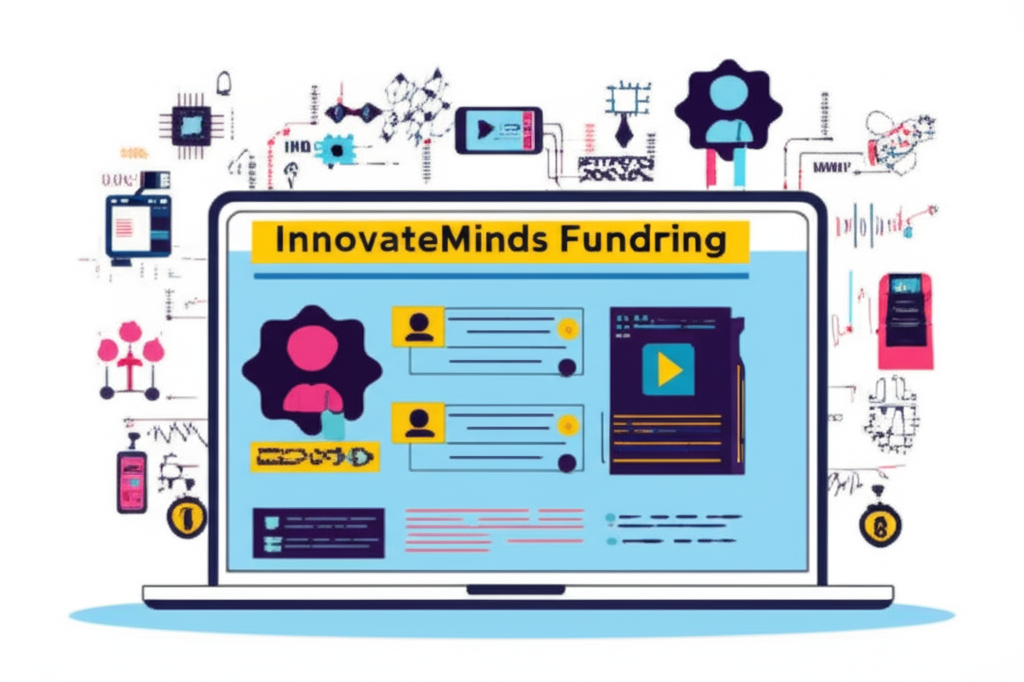
    Tech Startup InnovateMinds Secures Seed Funding to Revolutionize EdTech

    Mumbai-Based EdTech Startup “InnovateMinds” Raises Funding

    Mumbai’s burgeoning startup ecosystem has another success story to celebrate as “InnovateMinds,” a promising EdTech company, announced today that it has successfully secured a significant round of seed funding. The investment will be used to further develop its AI-powered learning platform and expand its reach across India.

    Funding Details and Lead Investors

    While the exact amount remains undisclosed, sources indicate that the funding round saw participation from several prominent angel investors and venture capitalists with a keen interest in the education sector. The lead investor for this round is reported to be a well-known Mumbai-based investment firm that has previously backed several successful tech startups.

    About InnovateMinds and its Platform

    Founded just two years ago by a team of passionate educators and technology experts, InnovateMinds aims to transform the way students learn through personalized and adaptive learning experiences. Their flagship platform utilizes artificial intelligence to understand each student’s learning pace and style, providing customized content and feedback. The platform covers a wide range of subjects and caters to students from K-12 to early college levels.

    Plans for the Future

    With the newly secured funding, InnovateMinds plans to significantly enhance its platform’s capabilities by incorporating more interactive learning tools, expanding its content library to include regional languages, and integrating advanced analytics to provide deeper insights into student performance. The company also aims to scale its operations by onboarding more educators and reaching a larger student base across India, particularly in Tier-II and Tier-III cities.

    Industry Impact and Quotes

    Industry analysts believe that InnovateMinds’ innovative approach to personalized learning has the potential to significantly disrupt the EdTech sector in India. [Quote from CEO of InnovateMinds about their vision and the impact of the funding]. [Quote from a lead investor highlighting the potential of InnovateMinds].

    This successful funding round underscores the growing investor confidence in India’s EdTech market and highlights the innovative solutions being developed by startups like InnovateMinds to address the evolving needs of the education landscape.